
Team Building Games: 34 Free, Fast & Fun Games Our Hosts Actually Run
Thirty-four team building games our hosts actually run, with step-by-step instructions, group sizes, timings and the ones we tell teams to skip.
Thirty-four team building games our hosts actually run, with step-by-step instructions, group sizes, timings and the ones we tell teams to skip.
We published our first list of team building games in 2020. Back then we were mostly writing down ideas. Since then we have hosted more than 45,000 team building events, and we have watched thousands of groups play these games in real rooms, which changed our mind about a lot of them.
This guide is the result. Every game below is either one we run at our own events, a version of one, or a classic we have watched enough times to explain properly. We cut the games that read well and play badly, and we added the formats that consistently work.
As of September 2026, teams at Google, Amazon, Microsoft, Netflix, Capital One and Deloitte have played games with us, and our events have collected 80,000+ reviews at an average rating of 4.96 out of 5.0. Our advice also appears throughout Afterpay's business guide to team building activities.
Trusted by teams at






This list includes:
Here we go.
Team building games are structured group activities that coworkers play together to build relationships, practice communication and have fun at work. Examples include trivia showdowns, human bingo, escape-room style puzzle hunts and relay races. These games can be free and self-run or booked as hosted events, and they work in an office, outdoors or over video. Team building games are also called "team games," "teamwork games," "team bonding games," "group games for work" and "team building exercises."
Team building games are the play-based branch of team building activities. They are similar to icebreaker games, office games, large group games, competitive team building games, team meeting games and quick team building activities. Within the category, this guide covers team building games for adults, games for work and the office, quick games, competitive games, games for large and small groups, free games, virtual team building games, and outdoor team building games.
The design principle behind our own games is what we call stealth team building: blending fun with teamwork fundamentals so participants come for the games and the laughter, and leave having practiced communication, collaboration and connection without ever sitting through a formal training frame. Nobody wants a workshop on active listening. Everybody wants to win at trivia.
That framing is also what the research supports. A meta-analysis of 60 effect sizes published in Small Group Research by Klein, DiazGranados, Salas and colleagues found that team building has a moderate positive effect on team outcomes overall (r = .31), and that the effect is strongest on affective and process outcomes such as trust and coordination (r = .44 each), with goal setting (r = .37) and role clarification (r = .35) the most effective components. Notably, the researchers did not find a significant direct effect on team performance. Games are good at the human layer. They are not a substitute for fixing a broken process, and any list that promises otherwise is selling something.
Calling any one game "the best" is a bit like naming the best flavor of ice cream. So instead of an opinion, here is a ranking.
The table below ranks our hosted events by our Team Building Score, which combines overall satisfaction, participant recommendation scores, organizer reviews, engagement ratings and other post-event feedback from more than 50,000 post-event surveys. The list covers both virtual and in-person formats, and we publish exactly how the score works.
| # | Event | Score | Rating | Happier | Connected | NPS | Price |
|---|---|---|---|---|---|---|---|
| 1 | 
tiny campfire
Best for: Remote teams seeking connection
More about this eventVirtual campfire games, ghost stories and real s'mores.
Perfect for: Remote teams seeking connection, Teams celebrating achievements, Groups wanting a fun evening |
248 | ★ | 97% | 95% | 85 | $79 pp |
| 2 | 
Ultimate Game Show
Best for: Teams seeking fun competition
More about this eventCompete in fan favorites like Coworker Feud & Price Hike.
Perfect for: Teams seeking fun competition, Fans of classic game shows, Groups wanting team bonding |
248 | ★ | 98% | 93% | 86 | $45 pp |
| 3 | 
Virtual Trivia: Team vs Team
Best for: Virtual happy hours
More about this eventChoose your trivia theme and let the friendly competition begin!
Perfect for: Virtual happy hours, Conference entertainment, Teams seeking fun competition |
245 | ★ | 97% | 90% | 82 | $30 pp |
| 4 | 
Murder in the Speakeasy
Best for: History buffs and mystery lovers
More about this eventA prohibition-themed murder mystery where teams collect clues and crack the case.
Perfect for: History buffs and mystery lovers, Teams seeking immersive experiences, Corporate retreats with a twist |
245 | ★ | 97% | 92% | 80 | $40 pp |
| 5 | 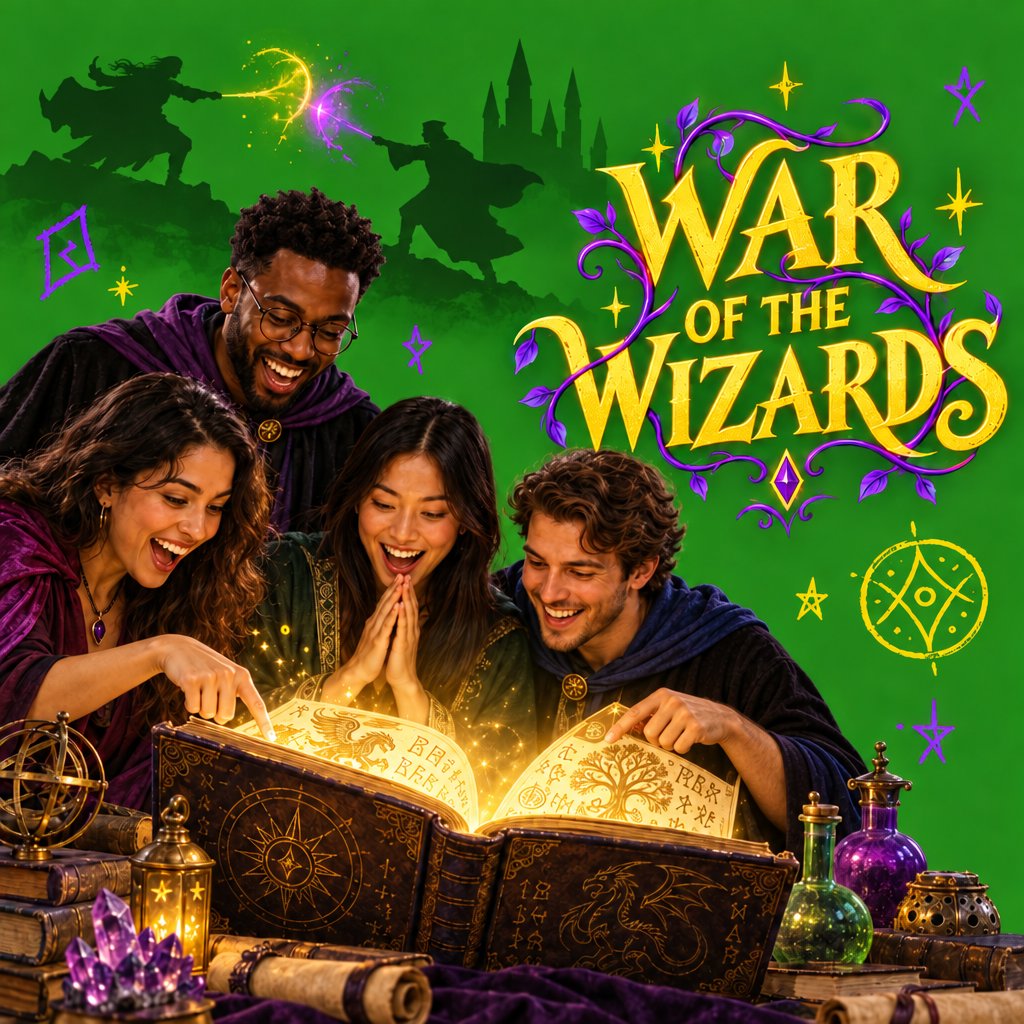
War of the Wizards
Best for: Creative storytelling enthusiasts
More about this eventTeams use imagination to thwart great evil in this cooperative roleplaying game.
Perfect for: Creative storytelling enthusiasts, Teams seeking strategic challenges, Fantasy role-playing fans |
245 | ★ | 99% | 92% | 77 | $40 pp |
| 6 | 
Online Office Games
Best for: Remote teams seeking fun
More about this eventA triathlon of virtual activities with 150,000+ participants to date.
Perfect for: Remote teams seeking fun, Boosting team morale, Virtual team celebrations |
245 | ★ | 98% | 93% | 81 | $40 pp |
| 7 | 
Murder in Ancient Egypt
Best for: Teams seeking a thrilling challenge
More about this eventWork together on puzzles & solve a real (ancient) murder mystery.
Perfect for: Teams seeking a thrilling challenge, Improving problem-solving skills, Virtual team building events |
245 | ★ | 96% | 90% | 73 | $45 pp |
| 8 | 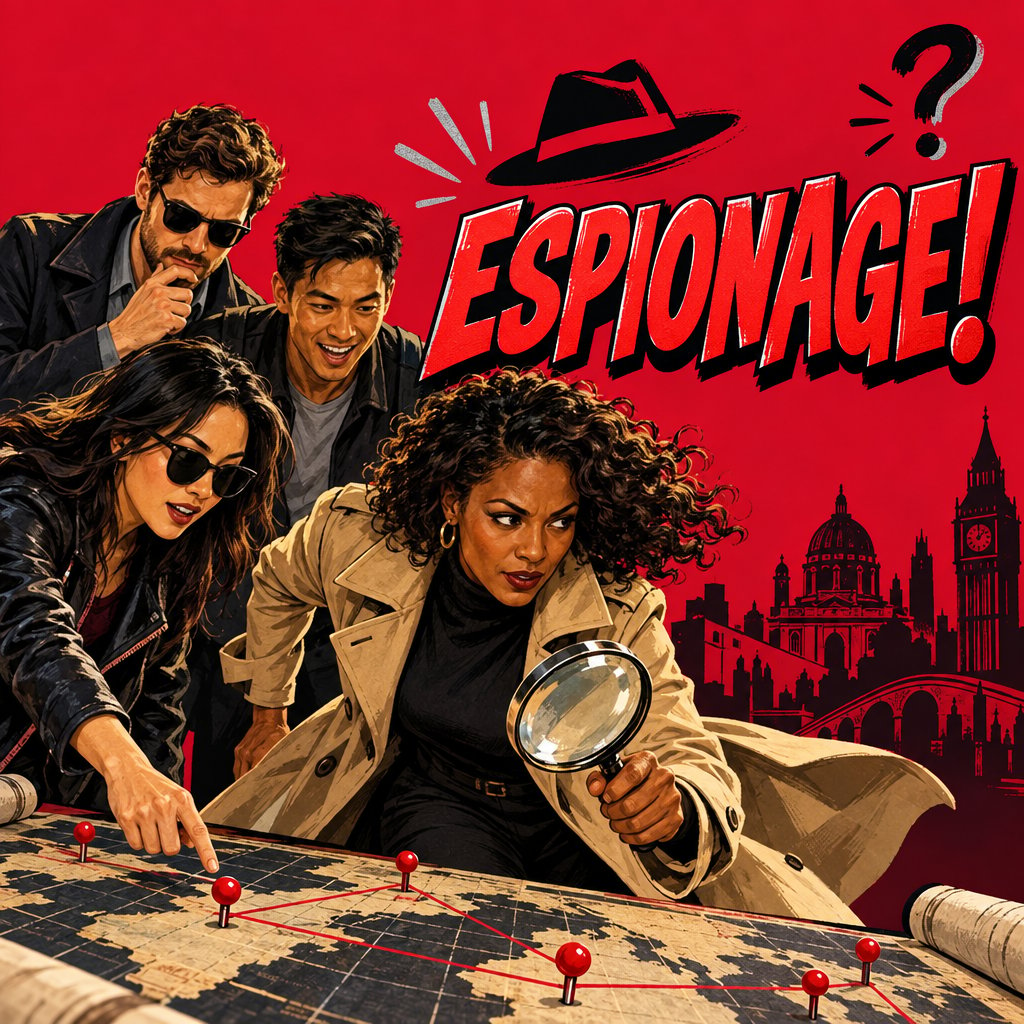
Espionage!
Best for: Teams seeking adrenaline-pumping fun
More about this eventA social deduction game with puzzles, challenges, and sabotage.
Perfect for: Teams seeking adrenaline-pumping fun, Groups wanting a strategic challenge, Virtual team-building events |
245 | ★ | 97% | 92% | 80 | $40 pp |
| 9 | 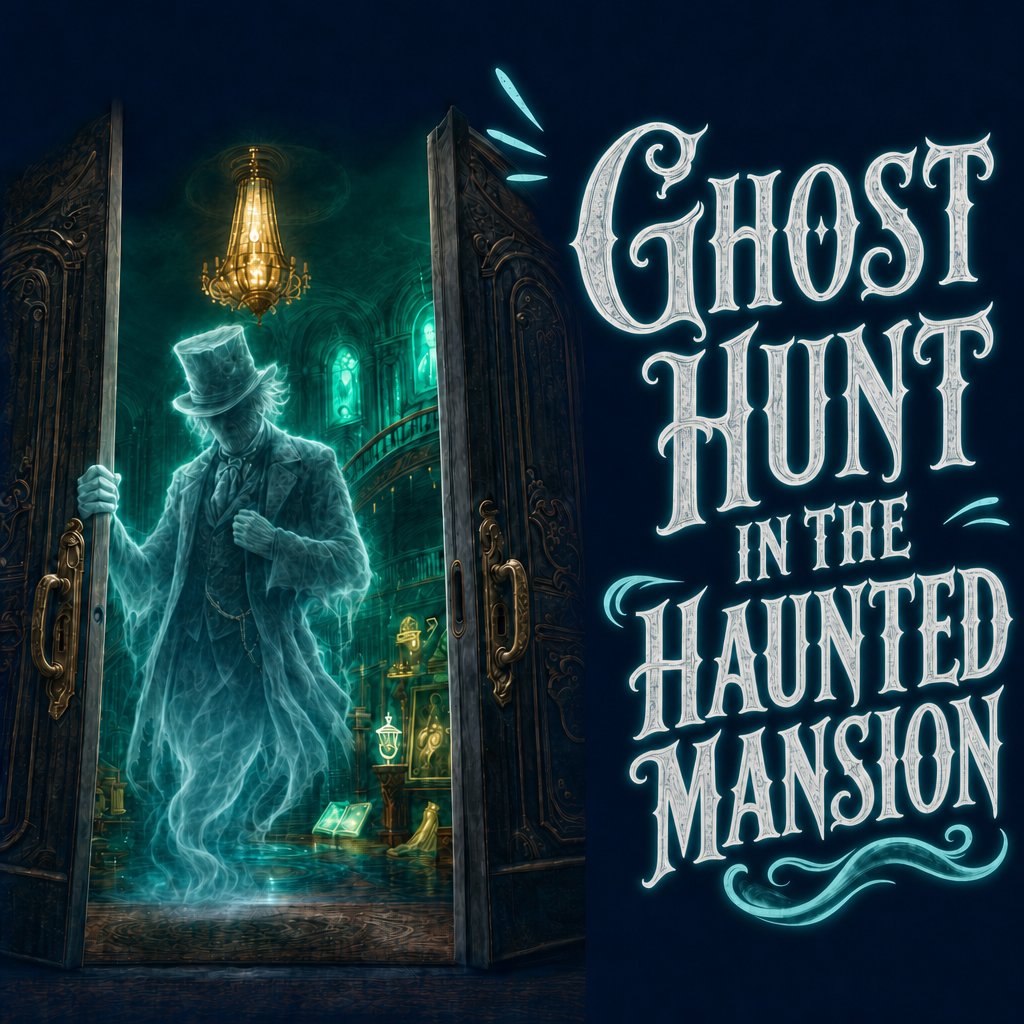
Ghost Hunt in the Haunted Mansion
Best for: Teams seeking thrilling experiences
More about this eventAn online escape-room-esque game in the famously haunted Winchester Mansion.
Perfect for: Teams seeking thrilling experiences, Halloween-themed team events, Groups wanting a spooky challenge |
240 | ★ | 99% | 93% | 82 | $45 pp |
| 10 | 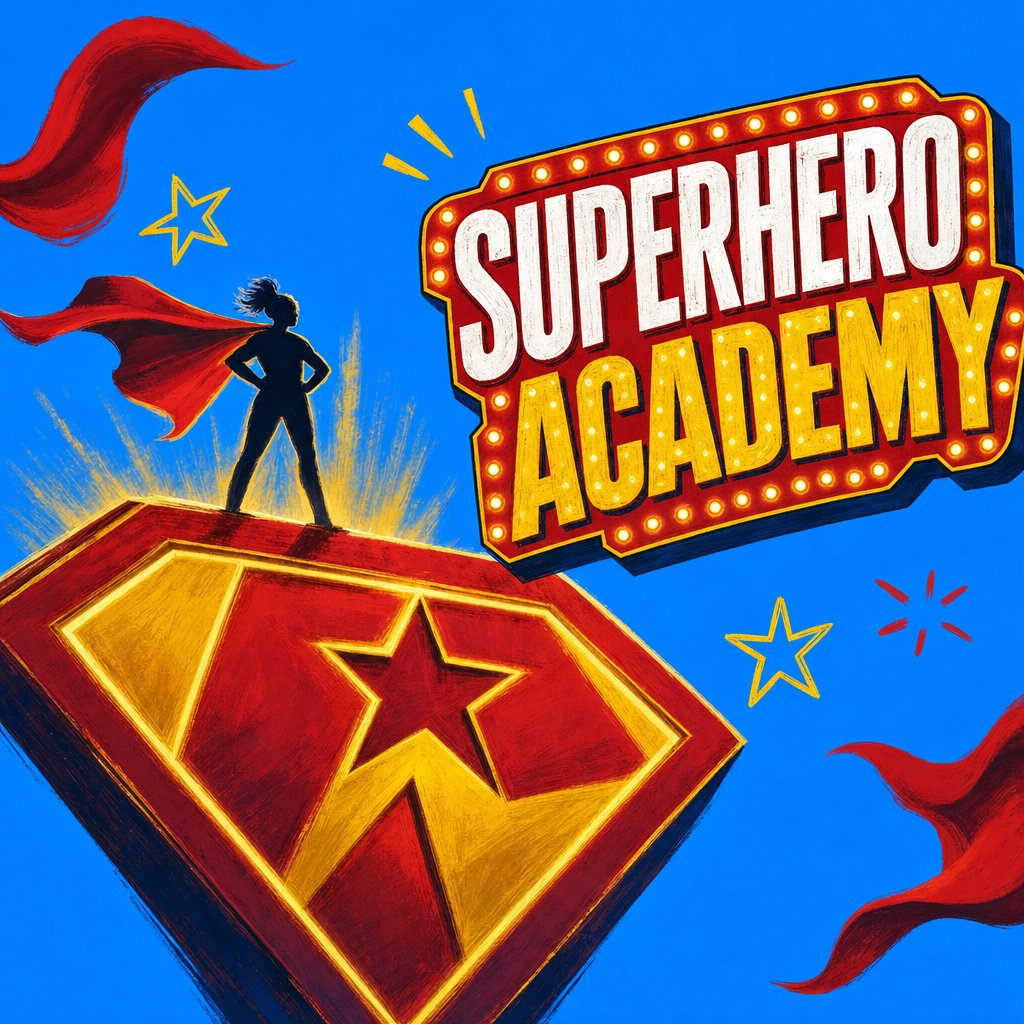
Superhero Academy
Best for: Teams seeking thrilling challenges
More about this eventComic-themed puzzles & minute-to-win-it challenges in an epic heroes vs. villains showdown.
Perfect for: Teams seeking thrilling challenges, Building stronger team bonds, Unveiling hidden team talents |
238 | ★ | 97% | 93% | 79 | $40 pp |
| 11 | 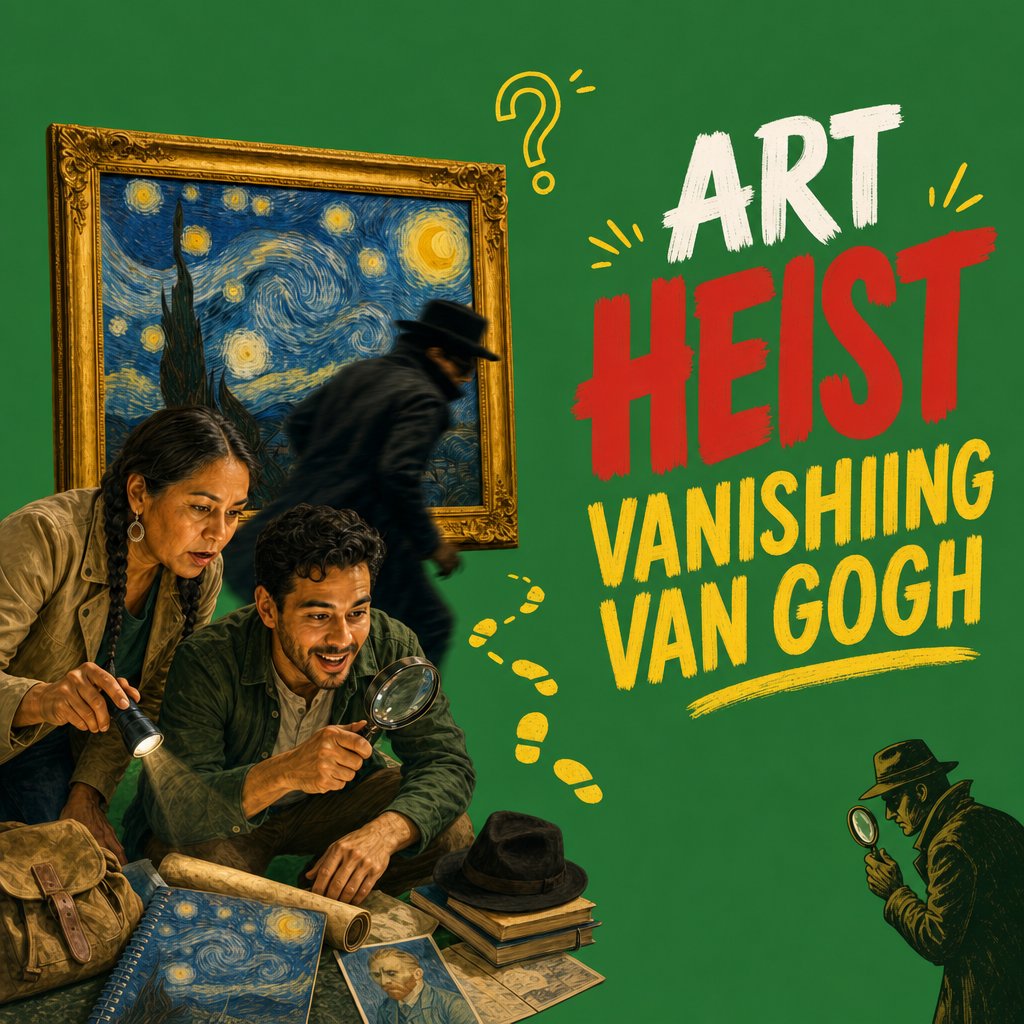
Art Heist: The Vanishing Van Gogh
Best for: Teams who love a challenge
More about this eventA whodunit where teams must follow clues to retrieve a famous painting.
Perfect for: Teams who love a challenge, Art enthusiasts and mystery lovers, Building problem-solving skills |
238 | ★ | 97% | 91% | 80 | $40 pp |
| 12 | 
Virtual Mix n' Mingle
Best for: Remote teams seeking deeper bonds
More about this eventA guided virtual networking event with fun activities that spark real connection.
Perfect for: Remote teams seeking deeper bonds, Teams looking to enhance collaboration, Groups wanting a fun networking event |
228 | ★ | 97% | 95% | 83 | $40 pp |
| 13 | 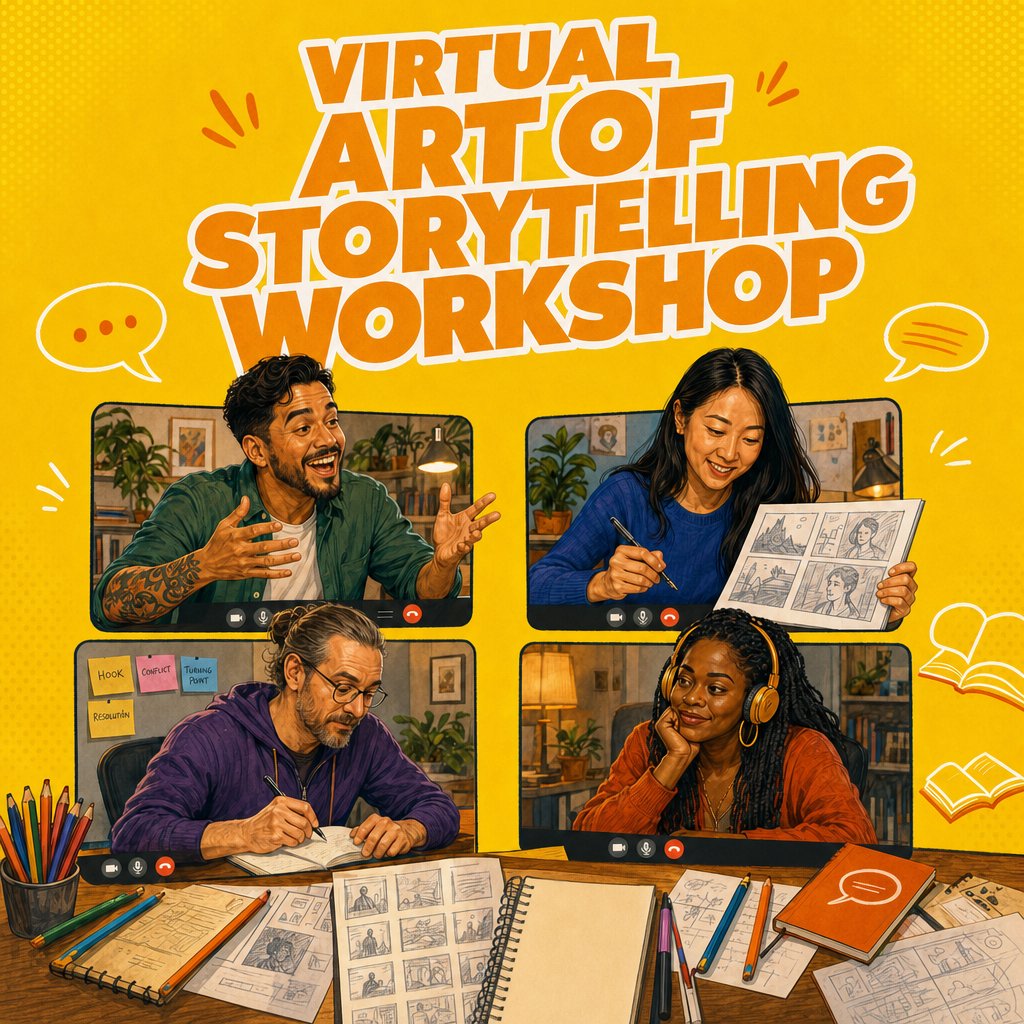
Virtual Art of Storytelling Workshop
Best for: Remote teams seeking engagement
More about this eventLearn to tell stories in a fun and interactive way.
Perfect for: Remote teams seeking engagement, Teams aiming to improve communication, Workshops focused on leadership skills |
226 | ★ | 95% | 92% | 81 | $60 pp |
| 14 | 
Margarita Making Class
Best for: Virtual happy hours
More about this eventAn online margarita making class with real cocktails.
Perfect for: Virtual happy hours, Teams wanting a fun night, Cocktail enthusiasts |
224 | ★ | 97% | 92% | 79 | $109 pp |
| 15 | 
The Great Guac Off™
Best for: Teams seeking fun competition
More about this eventThe world's #1 guacamole-making competition for team building.
Perfect for: Teams seeking fun competition, Building camaraderie through cooking, Celebrating team milestones |
222 | ★ | 98% | 96% | 86 | $80 pp |
| 16 | 
Office Feud
Best for: Virtual team bonding
More about this eventSpark friendly office rivalry inspired by a classic game show.
Perfect for: Virtual team bonding, Boosting team morale, Game show enthusiasts |
220 | ★ | 97% | 88% | 82 | $30 pp |
| 17 | 
Virtual Holiday Party
Best for: Teams seeking light competition
More about this eventThe world's #1 virtual holiday party since 2020.
Perfect for: Teams seeking light competition, Remote holiday celebrations, Fast-paced team bonding |
218 | ★ | 98% | 91% | 80 | $40 pp |
| 18 | 
Museum Hack Tour: Metropolitan Museum of Art
Best for: Teams seeking a creative adventure
More about this eventA wildly entertaining guided-tour of the Metropolitan Museum of Art.
Perfect for: Teams seeking a creative adventure, Groups interested in art and history, Celebrating a successful project completion |
218 | ★ | 100% | 95% | 90 | $100 pp |
| 19 | 
Virtual Trivia: Individual vs Individual (45 min)
Best for: Virtual happy hours
More about this eventA general knowledge trivia melee where your group members compete individually to win points.
Perfect for: Virtual happy hours, Conference entertainment, Small or large teams |
217 | ★ | 100% | 91% | 84 | $20 pp |
| 20 | 
Pride Ultimate Game Show
Best for: Teams celebrating Pride Month
More about this eventA game show competition that celebrates the LGBTQ+ community. teambuilding.com donates $5 per guest to an LGBTQ+ non-profit.
Perfect for: Teams celebrating Pride Month, Diversity and inclusion initiatives, Remote teams seeking engagement |
217 | ★ | 100% | 95% | 95 | $40 pp |
Ranked by our Team Building Score — a running points total earned through confirmed bookings, verified reviews, ratings, and listing quality, recalculated nightly. Every event shown also has at least 30 post-event survey responses per question; the happier, connected, and NPS columns are computed from the 9,273+ survey responses collected for the 20 events listed here — a subset of all post-event surveys across our catalog. Updated October 2026.
A few patterns worth noticing in that ranking. Game shows and trivia formats sit near the top because they give everyone a reason to talk without asking anyone to perform. Puzzle and mystery formats rank right beside them because they force a group to split up work and then put the pieces together. Those two mechanics, buzz-in competition and shared puzzle solving, are the backbone of most of the free games further down this page.
Want to see the full catalog? Browse all virtual and in-person team building activities, or jump straight to our host-led Originals.
Plenty of companies sell team building games, and honestly, most of the marketing sounds identical. Here are the providers we would actually consider, including the ones we compete with.
| Company | Type | Typical price | Best for | Our take |
|---|---|---|---|---|
| teambuilding.com | Team building company (Originals) | $20–$45 per person virtual; $50–$100 per person in-person | Hosted game shows, trivia, mysteries and puzzle events for both remote and in-office teams | Our own events, so take it as read that we like them. The relevant fact is staffing: 95% of our Original hosts are employees and the rest are long-term contractors, which keeps quality consistent and skips third-party markups. |
| Confetti | Experiences marketplace | Priced live on their site | Teams that want to browse a wide range of activities and price points in one place | The strongest marketplace alternative. Great for variety and quick booking; think energizer more than deep connection. |
| TeamBonding | Team building company | Custom quotes | Organizations that want an established vendor with both virtual and in-person catalogs | Decades in the industry and a broad program list, including charitable and workshop formats. |
| The Go Game | Team building company | Custom quotes | Teams that want highly produced, game-show style hosted events | Strong production values and a long track record. Limited public reviews, but well regarded. |
| Outback Team Building | Team building company | Custom quotes | Larger in-person events and corporate social responsibility formats | A solid option for big on-site groups and charity build activities. Expect a sales conversation rather than instant checkout. |
Booking a host is the fastest path to a good event. It is not the only one. The rest of this guide is the free version.
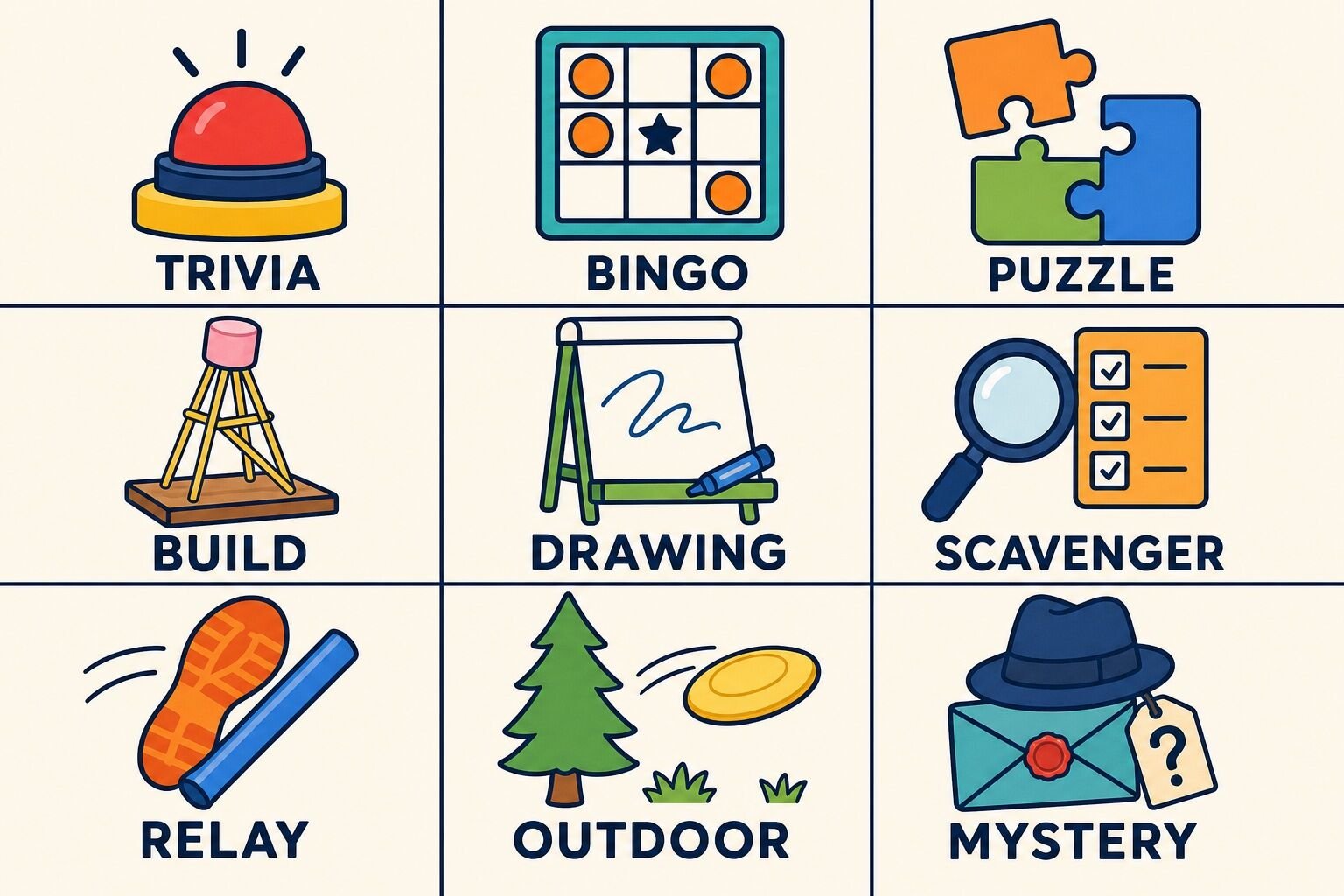
These games are free to run, and most need nothing more than paper, a timer and a room. The list is grouped by what people usually search for: games for adults, games for the office, quick games, competitive games, games for large and small groups, virtual games and outdoor games. Every game includes step-by-step instructions, so you can read one section and run it this afternoon.
| Game | Best for | Group size | Time | Cost |
|---|---|---|---|---|
| Office Feud | Friendly competition | 8–100+ | 20–40 min | Free |
| DIY Jeoparty | Trivia and team strategy | 6–60 | 30–45 min | Free |
| Forensic Sketch Artist | Communication | 6–30 | 15–25 min | Free |
| Popular Opinions | Getting to know the team | 6–100+ | 15–25 min | Free |
| Human Bingo | Mixing people who don't talk | 10–100+ | 15–30 min | Free |
| Guess the Baby | Low-effort connection | 8–50 | 15–20 min | Free |
| Most Likely To | Laughs and superlatives | 5–40 | 10–20 min | Free |
| Office Olympics | All-afternoon energy | 10–60 | 60–90 min | Free |
| Mystery Bag | Creativity and improv | 6–40 | 25–40 min | Free |
| Office Chair Basketball | Silly physical competition | 6–20 | 15–30 min | Free |
| Post-It Picasso | Large collaborative build | 6–40 | 20–40 min | $10–$30 |
| Pitch Me Your Business | Strategy and presenting | 6–40 | 30–45 min | Free |
| Never Have I Ever (work edition) | Surprising stories | 5–25 | 10–20 min | Free |
| ABC Hunt | Instant energy | 5–100+ | 5–10 min | Free |
| Five Clicks Away | Problem solving | 4–30 | 10–15 min | Free |
| Where in the World? | Quick guessing game | 4–30 | 10–15 min | Free |
| Two Truths and a Lie | Meeting warm-up | 4–15 | 5–10 min | Free |
| Paper Bag Fashion Show | Creative competition | 8–50 | 30–45 min | $10–$25 |
| Cupcake Decorating Showdown | Celebrations | 6–40 | 45–60 min | $5–$10 per person |
| Marshmallow Challenge | Prototyping and teamwork | 8–60 | 25–35 min | $10–$20 |
| DIY Spy Mission | Social deduction | 8–40 | 30–45 min | Free |
| DIY Puzzle Hunt | Collaborative problem solving | 6–40 | 45–60 min | Free |
| Mix n' Mingle | Cross-department mixing | 12–200+ | 25–40 min | Free |
| The Line Game | Finding common ground | 10–100+ | 15–25 min | Free |
| Rock Paper Scissors Tournament | Big-room energy | 15–300+ | 5–10 min | Free |
| The Human Knot | Problem solving | 6–12 per circle | 10–20 min | Free |
| Back-to-Back Drawing | Listening skills | 4–20 | 15–20 min | Free |
| Number of Things in Common | Deeper conversation | 4–20 | 15–25 min | Free |
| Random Storyboard | Storytelling | 4–24 | 20–30 min | Free |
| Photo Finish | Remote energy | 5–100+ | 10–20 min | Free |
| Whiteboard Pictionary | Remote laughs | 4–30 | 15–30 min | Free |
| Egg Drop Challenge | Engineering under pressure | 8–60 | 45–60 min | $15–$30 |
| Minefield | Trust and clear instructions | 6–40 | 20–30 min | Free |
| Relay Race Field Day | Outdoor competition | 12–100+ | 60–120 min | $20–$60 |
These are the core games. They work with any adult group, they do not require anyone to be athletic or artistic, and they are the ones our hosts reach for when they do not know the room yet.
Office Feud is the DIY version of our most-booked survey game, and it is the single most reliable format on this list. Teams guess how their own coworkers answered a survey, which means nobody has to know any facts. They only have to know each other.
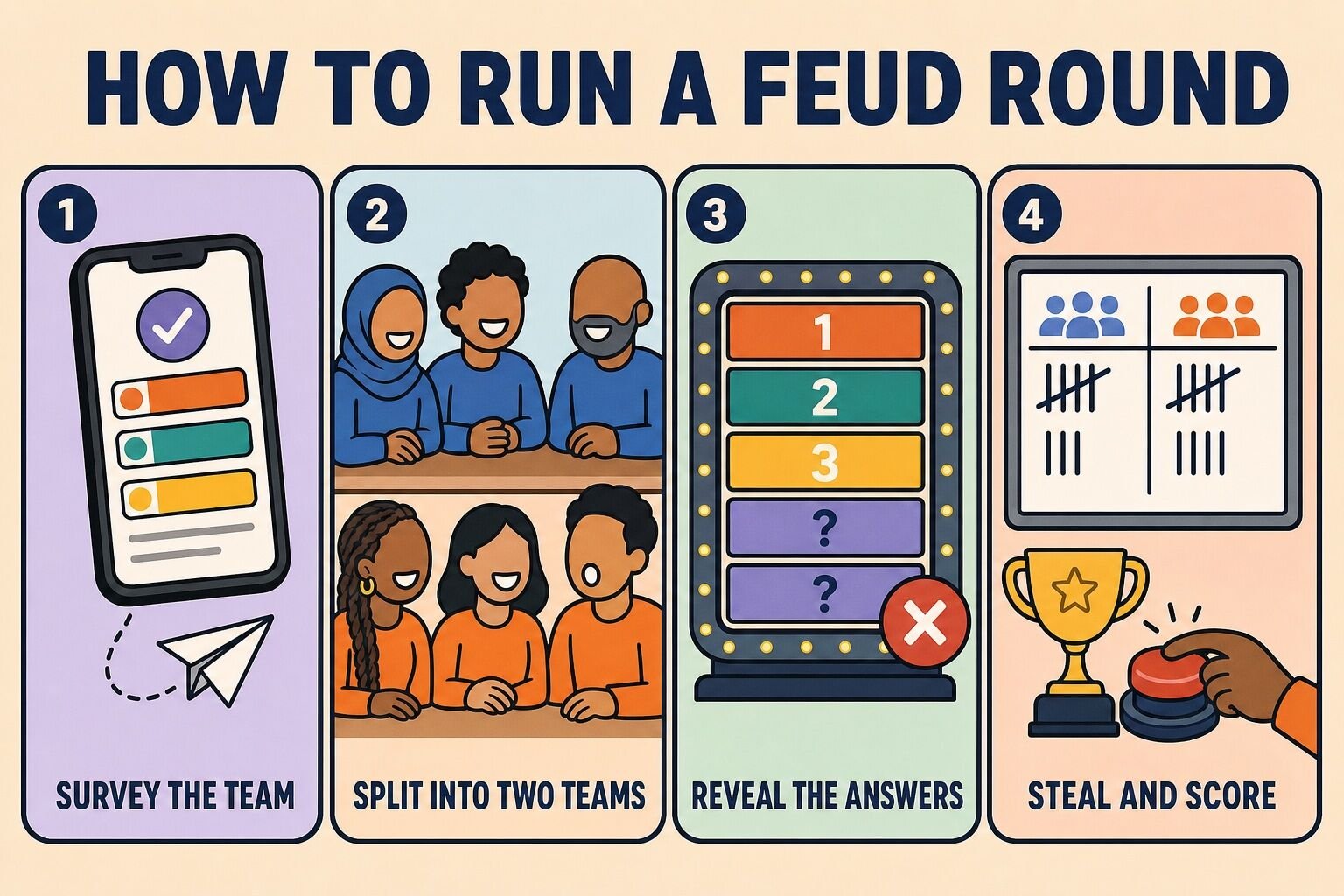
Here is how to play:
Best for: Friendly competition, 8 to 100+ people
Time: 20 to 40 minutes
Materials (cost): A survey form and a slide deck (free)
What we've learned: The survey questions do more work than the gameplay. Questions about your specific workplace beat generic ones every time, because the funniest moment is always the answer that only your team would give. Also, do not read the survey results before the game if you are hosting. Your genuine surprise is half the fun.
Jeoparty is our category-board trivia format, and the home version takes about an hour to build. Unlike straight trivia, the board lets teams choose their risk, which turns a quiz into a strategy game.
Here is how to play:
Need clues fast? Pull from our random trivia generator:
Best for: Trivia and team strategy, 6 to 60 people
Time: 30 to 45 minutes
Materials (cost): A slide deck and answer paper (free)
What we've learned: Simultaneous reveal is the fix for the most common trivia problem, which is one confident person answering for the whole table. When every team writes and reveals at once, quieter players actually get a say. For more question banks, see our list of trivia questions.
Forensic Sketch Artist tests how precisely a group can describe something, and it produces genuinely terrible drawings, which is the point.
Here is how to play:
Best for: Communication and precision, 6 to 30 people
Time: 15 to 25 minutes
Materials (cost): Paper and markers (free)
What we've learned: Groups that assign a describing order beat groups that shout at once, every single time. If you want to make the lesson explicit, run a second round and let teams spend thirty seconds planning first. The difference in output is the whole debrief.
Popular Opinions asks players to answer as the crowd rather than as themselves, which rewards paying attention to your coworkers.
Here is how to play:
Best for: Getting to know the team, 6 to 100+ people
Time: 15 to 25 minutes
Materials (cost): Paper or a poll tool (free)
What we've learned: Close splits are the fun ones. A 52/48 result creates an argument that lasts ten minutes; a 95/5 result creates nothing. When you write questions, aim for the ones you genuinely cannot predict.
Human Bingo turns a room of people who nod at each other into a room of people who have actually spoken. It is the best opener we know for a group that spans departments.
Here is how to play:
Use our ready-made Human Bingo card:
Best for: Mixing people who don't normally talk, 10 to 100+ people
Time: 15 to 30 minutes
Materials (cost): Printed cards and pens (free)
What we've learned: The squares are the whole game. Write prompts your team could not already guess about each other, and skip anything everyone shares. The one-name-per-card rule matters more than it sounds, because without it three extroverts sign every card in the room and nobody else moves.
Guess the Baby costs nothing, takes ten minutes of prep and consistently produces the loudest reaction of any low-effort game we know.
Here is how to play:
Best for: Low-effort connection, 8 to 50 people
Time: 15 to 20 minutes
Materials (cost): Photos and answer sheets (free)
What we've learned: Toddler photos work far better than newborn photos, because newborns all look the same and there is nothing to deduce. Ask for age two to four and the game becomes solvable, which is what makes it fun. For more games in this vein, see our list of connection games.
Most Likely To is superlatives for grown-ups, and it is the fastest way to generate inside jokes that outlive the meeting.
Here is how to play:
Here is a generator you can run the game from:
Best for: Laughs and superlatives, 5 to 40 people
Time: 10 to 20 minutes
Materials (cost): Prompts and paper (free)
What we've learned: Keep every prompt flattering or absurd, never pointed. "Most likely to be late" targets a real person and lands badly. "Most likely to be abducted by aliens" targets nobody and lands well. For more prompt ideas, browse our Most Likely To questions.
These games are built for the room you already have: a meeting table, a whiteboard and whatever is in the supply closet. They fit inside a normal workday and need no venue.
Office Olympics is a tournament of small, silly events run with office supplies. It is the best use of an afternoon when you want energy rather than depth.
Here is how to play:
Best for: All-afternoon energy, 10 to 60 people
Time: 60 to 90 minutes
Materials (cost): Office supplies and tape (free)
What we've learned: Design at least one event that rewards accuracy rather than speed or strength, so the tournament does not go to whoever is most athletic. For a full event list, see our guide to office olympics and these minute to win it games.
Mystery Bag is improv without calling it improv, which is the only way most teams will agree to do improv.
Here is how to play:
Best for: Creativity and improv, 6 to 40 people
Time: 25 to 40 minutes
Materials (cost): Paper bags and office objects (free)
What we've learned: Give teams a format constraint, such as "make it a late-night infomercial," rather than a blank "make a sketch." Constraints make people faster and funnier. More options in our list of improv games.
Office Chair Basketball is exactly what it sounds like, and it is the most-requested repeat on this list once a team has played it once.
Here is how to play:
Best for: Silly physical competition, 6 to 20 people
Time: 15 to 30 minutes
Materials (cost): Rolling chairs, a soft ball, a small hoop (free to $20)
What we've learned: Use a soft ball and mark the court boundary with tape before anyone sits down. Also give non-players a job, such as commentator or referee, because the commentary is genuinely half the entertainment. More ideas in our list of office challenge ideas.
Post-It Picasso is a large collaborative build that ends with something your team can point at for months.
Here is how to play:
Best for: Large collaborative build, 6 to 40 people
Time: 20 to 40 minutes
Materials (cost): Sticky notes in four or five colors ($10 to $30)
What we've learned: Somebody has to own the grid, or the mural drifts and nothing lines up. Appoint one coordinator who does not place notes and only checks alignment. That single role is the difference between a finished mural and an abstract mess.
Pitch Me Your Business gives teams fifteen minutes to invent a company, then two minutes to sell it. It is the closest thing on this list to actual work, which is why it plays well with skeptical groups.
Here is how to play:
Best for: Strategy and presenting, 6 to 40 people
Time: 30 to 45 minutes
Materials (cost): Flip chart or slides (free)
What we've learned: Absurd constraints beat realistic ones. "A subscription service for people who hate subscriptions" produces better work than "a B2B SaaS tool," because nobody is tempted to pitch their actual job. See also our list of work competitions.
The camp version of this game is a bad fit for work. The work edition keeps the mechanic and changes the prompts to professional territory, where it becomes a fast, surprising storytelling game.
Here is how to play:
Use our generator for work-safe prompts:
Best for: Surprising stories, 5 to 25 people
Time: 10 to 20 minutes
Materials (cost): None (free)
What we've learned: Brief the room that prompts stay in career territory, and make the storytelling optional rather than required. Our hosts run a version of this in warm-ups, and the moment it drifts personal, participation drops immediately and does not come back.
These take five to fifteen minutes, need zero prep and fit at the top of a meeting. Use them when the goal is to wake a room up rather than to run an event.
ABC Hunt is the fastest energy reset we know, and it works identically in an office and on a video call.
Here is how to play:
Best for: Instant energy, 5 to 100+ people
Time: 5 to 10 minutes
Materials (cost): Whatever is nearby (free)
What we've learned: Do not rush into the next round. When someone comes back with something strange, ask about it. The race supplies the energy and the follow-up question supplies the connection. More like this in our list of 5 minute team building activities.
Five Clicks Away is a Wikipedia race, and it is a genuine problem-solving exercise disguised as a browser game.
Here is how to play:
Best for: Problem solving, 4 to 30 people
Time: 10 to 15 minutes
Materials (cost): One laptop per team (free)
What we've learned: Teams that immediately jump to a broad hub page, such as a country or a century, beat teams that click the most closely related link. That is a nice, concrete lesson about zooming out before narrowing in. See more problem solving games.
Where in the World? drops a team into a random street view and asks them to figure out where on earth they are.
Here is how to play:
Best for: Quick guessing game, 4 to 30 people
Time: 10 to 15 minutes
Materials (cost): One shared screen (free)
What we've learned: Play as one group against the map rather than team against team. The collective deduction, where somebody recognizes a utility pole style and somebody else recognizes the alphabet, is the entire appeal.
Two Truths and a Lie is overused, and it still earns a place here for one job only: a five-minute warm-up for a small group. Do not build an event around it.
Here is how to play:
Prefer a fresh prompt instead? Pull one at random:
Best for: Meeting warm-up, 4 to 15 people
Time: 5 to 10 minutes
Materials (cost): None (free)
What we've learned: This game dies in large groups because every person needs a turn, and by person twelve the room has checked out. Fifteen people is our hard ceiling, and we would rather run it with six. More options in our list of get to know you games.
Competition is the engine of most of our highest-rated events. It gives people a reason to lean in without asking anyone to perform, and the stakes stay deliberately low. Give every team a name before you start, because named teams behave like teams:
Paper Bag Fashion Show is a build-off with a runway at the end, and it reliably produces the photos that end up in the company newsletter.
Here is how to play:
Best for: Creative competition, 8 to 50 people
Time: 30 to 45 minutes
Materials (cost): Craft supplies ($10 to $25)
What we've learned: Multiple prize categories matter more than a single winner. When there are three ways to win, teams commit to a strategy early instead of hedging, and every group has something to celebrate at the end.
This is the do-it-yourself take on our hosted cake competition. Teams decorate to a theme, then everyone judges. It is the rare team building game where the losers still get dessert.
Here is how to play:
Best for: Celebrations, 6 to 40 people
Time: 45 to 60 minutes
Materials (cost): Cupcakes and decorating supplies ($5 to $10 per person)
What we've learned: The presentation round is what separates this from a craft activity. A mediocre cupcake with a great story beats a beautiful cupcake with no explanation, and once teams realize that, the concepts get much more ambitious.
The Marshmallow Challenge is the classic prototyping exercise: build the tallest freestanding structure that can hold a marshmallow on top, using only spaghetti, tape and string.
Here is how to play:
Best for: Prototyping and teamwork, 8 to 60 people
Time: 25 to 35 minutes
Materials (cost): Spaghetti, tape, string, marshmallows ($10 to $20)
What we've learned: The teams that place the marshmallow in the first three minutes almost always beat the teams that save it for the end, because they find out early that the structure cannot take the weight. It is the cleanest argument for prototyping we have ever seen in a room, and it takes eighteen minutes to make.
Our hosted spy game puts teams on a mission while secret double agents try to sabotage them. The DIY version keeps the same shape with index cards instead of software.
Here is how to play:
Best for: Social deduction, 8 to 40 people
Time: 30 to 45 minutes
Materials (cost): Index cards and a puzzle (free)
What we've learned: Give the double agents a goal that is plausible rather than destructive. "Make sure the blue clue never gets used" creates interesting behavior. "Ruin everything" creates one person being annoying for twenty minutes.
A puzzle hunt is a chain of small puzzles where each answer unlocks the next. Building one takes an evening and the game lasts for years.
Here is how to play:
Best for: Collaborative problem solving, 6 to 40 people
Time: 45 to 60 minutes
Materials (cost): Printed puzzles and envelopes (free)
What we've learned: Design each puzzle so it can be split into parallel parts. A puzzle that only one person can work on leaves five people watching, and watching is where team building goes to die. Our hosts have a lot to say about this, which you can read in the insights from our hosts below.
Above roughly 30 people, most games break. These do not. Each one scales by adding parallel rounds rather than adding turns, which is the mechanic that matters at size. For more, see our list of large group activities.
Mix n' Mingle is the DIY version of our rotating-conversation event. Instead of one conversation with 80 people, it creates 40 short conversations at once.
Here is how to play:
Best for: Cross-department mixing, 12 to 200+ people
Time: 25 to 40 minutes
Materials (cost): A prompt list and a timer (free)
What we've learned: The closing share is what turns this from speed networking into team building, because it makes people repeat something they heard rather than something they said. Pull prompts from our icebreaker questions if you do not want to write your own.
The Line Game makes shared experience visible in a way a conversation never does, and it scales to a full company meeting.
Here is how to play:
Best for: Finding common ground, 10 to 100+ people
Time: 15 to 25 minutes
Materials (cost): Floor tape (free)
What we've learned: Participation must be genuinely optional, and say so out loud before you begin. Everything meaningful about this game comes from people choosing to step forward. The moment it feels compulsory, it stops being a game and starts being a disclosure exercise.
This is the best five minutes in large-group team building. It takes a two-person game and turns an entire ballroom into a single cheering crowd.
Here is how to play:
Best for: Big-room energy, 15 to 300+ people
Time: 5 to 10 minutes
Materials (cost): None (free)
What we've learned: The cheering rule is the entire game. Without it you have an elimination bracket where most people stand around losing. With it, nobody is ever out, and the volume in the room roughly doubles every round.
With fewer than about 15 people you can do something a large group cannot: go deeper instead of wider. These games use the small size rather than working around it. See also our ideas for team building activities for small groups.
The Human Knot is the most famous free team building game in the world, and most people run it badly. Here is the version that works.
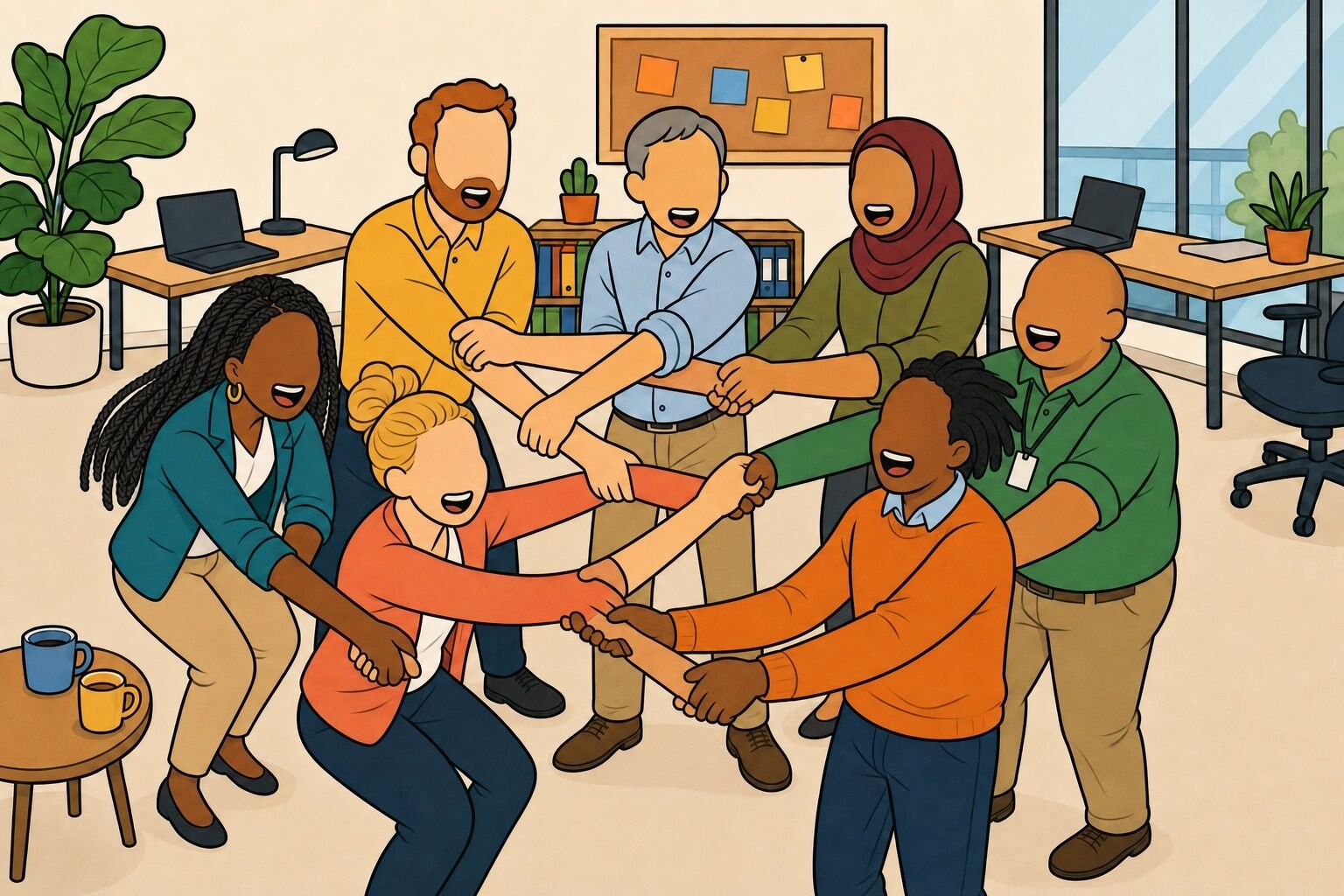
Here is how to play:
Best for: Problem solving, 6 to 12 people per circle
Time: 10 to 20 minutes
Materials (cost): None (free)
What we've learned: Run it with two circles racing rather than one circle working alone, because a single circle stalls when three people start giving instructions at once. And ask the group beforehand about physical comfort and mobility, then offer a rope-holding variant where each person grips the ends of two short ropes instead of hands. Full instructions live in our human knot guide.
Back-to-Back Drawing isolates one skill, describing something precisely to somebody who cannot see it, and it exposes every bad habit in a team's communication within about four minutes.
Here is how to play:
Best for: Listening skills, 4 to 20 people
Time: 15 to 20 minutes
Materials (cost): Paper and pens (free)
What we've learned: Use abstract shapes, not a house or a cat. The moment the drawer recognizes the object, they stop listening and start drawing what they already know, and the exercise teaches nothing.
This is a sharper version of the usual "find something you share" exercise, because it forces the group past the obvious answers.
Here is how to play:
Best for: Deeper conversation, 4 to 20 people
Time: 15 to 25 minutes
Materials (cost): Paper (free)
What we've learned: The "exactly two" and "nobody" categories are what make this work. They require the group to map everybody rather than stopping at the first thing four people agree on, and that mapping is where the real conversation happens.
Random Storyboard hands a team a pile of unrelated images and asks them to make it make sense.
Here is how to play:
Best for: Storytelling, 4 to 24 people
Time: 20 to 30 minutes
Materials (cost): Printed images (free)
What we've learned: Deliberately shuffle images between teams so no group gets to explain its own picture. The stretch required to explain a stranger's photo is where the creativity comes from.
Most games on this page work over video with small adjustments: use breakout rooms instead of tables, and run the scoring in a shared doc. The two below are built specifically for a video call. For a full remote-first list, see our virtual team building activities guide and these Zoom games.
Photo Finish takes the one genuine advantage of remote work, that everybody is somewhere different, and turns it into a race.
Here is how to play:
Best for: Remote energy, 5 to 100+ people
Time: 10 to 20 minutes
Materials (cost): None (free)
What we've learned: Two scoring lanes, speed and best item, keep this fair. Otherwise the person with the biggest house and the closest kitchen wins every round, and everyone else stops running.
Pictionary on a shared digital whiteboard is better than the physical version, because everyone can draw at once.
Here is how to play:
Best for: Remote laughs, 4 to 30 people
Time: 15 to 30 minutes
Materials (cost): A free whiteboard tool (free)
What we've learned: Simultaneous drawing is the upgrade. Traditional turn-taking means one person plays and everyone else waits, which is exactly the failure mode that makes remote games feel long. More ideas in our list of online drawing games.
Outside, you get space, noise tolerance and permission to be messy. These three take advantage of all of it. For a longer list, see our guide to outdoor group games.
Egg Drop is engineering under a deadline with an unambiguous pass or fail at the end, which is why it has survived for decades.
Here is how to play:
Best for: Engineering under pressure, 8 to 60 people
Time: 45 to 60 minutes
Materials (cost): Craft supplies and eggs ($15 to $30)
What we've learned: Do a small test drop at knee height before the real one. Teams that test discover their design problem while they can still fix it, and the ones that skip testing learn the same lesson from a splattered tarp. Either way the point lands.
Minefield is a trust and instruction game. One person is blindfolded, their partner talks them through a field of obstacles, and nobody may touch anyone.
Here is how to play:
Best for: Trust and clear instructions, 6 to 40 people
Time: 20 to 30 minutes
Materials (cost): Blindfolds and soft obstacles (free)
What we've learned: Run multiple pairs simultaneously on purpose. With one pair at a time it is an easy game and a boring watch. With five pairs shouting at once, partners have to agree on a signal or a name first, and that agreement is the actual skill being practiced.
A field day is several short races strung together with a running score. It is the outdoor equivalent of a game show and it handles very large groups easily.
Here is how to play:
Best for: Outdoor competition, 12 to 100+ people
Time: 60 to 120 minutes
Materials (cost): Sacks, balloons, rope, cones ($20 to $60)
What we've learned: Include at least two events that do not reward speed, such as a balloon toss or an accuracy throw. Otherwise the fastest team wins everything by the second race and the other groups quietly stop trying. More formats in our list of relay races and field day games.
Team building games have a reputation problem, and some of it is earned. Most people's reference point is a forced icebreaker that ate twenty minutes and produced nothing. Here is what our own data and our hosts say separates the good ones.
Structure beats spontaneity. The games that work have rules, rounds and a visible score. The ones that fail are the ones where somebody says "let's just hang out and chat." A game with a clear win condition gives people permission to participate, and permission is usually what is missing.
Competition is the engagement mechanism, and fun is the point. When we read our reviews, competition comes up constantly: points, buzzers, leaderboards, team names. It works because it gives people a reason to lean in without asking anyone to perform a personality. Keep the stakes low and the prize symbolic.
Spread the talking deliberately. This is the one piece of advice we would keep if we could only keep one. In studies of 699 people working in small groups published in Science, Woolley and colleagues found a group's collective intelligence was not strongly correlated with members' average individual intelligence, but was correlated with members' social sensitivity, the equality of conversational turn-taking, and the proportion of women in the group. Those were lab studies with ad hoc groups rather than intact workplace teams, but the design implication is concrete: choose games where everybody writes, moves or answers at once, instead of games where people wait their turn. Simultaneous reveal in DIY Jeoparty and parallel puzzles in DIY Puzzle Hunt both exist for this reason.
Aim for happy, not productive. We measure happiness after events because it is the outcome everything else follows from. In laboratory experiments at the University of Warwick, Oswald, Proto and Sgroi found that individuals given a happiness-inducing treatment, such as watching a comedy clip, were approximately 12% more productive on a paid piece-rate task. A single game is not a business strategy. But a team that laughed together this week is measurably easier to work with next week.
The repeat rate is the honest metric. As of September 2026, 41% of companies that book a team building event with us come back to book at least one more. Nobody repeats a mandatory-fun afternoon, so that number is the clearest evidence we have that these formats work.
Two of our hosts have run these formats hundreds of times each. Their advice below was written for this guide, and it is the most practical thing on the page.
Competition gets people out of their shells.
"I've observed that Competition really helps to get people out of their shells. The group might start the event not fully engaged but once in the heat of the competition, its fun to see the group open up more and celebrating their team wins or expressing their frustrations (Lighthearted) team losses."— Paisley Carswell, teambuilding.com host
Design puzzles so everyone can contribute, and land the "aha."
"If you want to do a murder mystery or ANY type of game with a puzzle-based structure, I'd say there are two major keys to a fun and satisfying puzzle experience.1) The puzzle should feel doable, but ideally works best when the team splits up duties and works together a bit -- if everyone can feel like they've participated and contributed, it's the most connecting and satisfying version of a team building puzzle game.
2) You want to if at all possible create an "aha" feeling at the end. For a murder mystery, all the pieces should fall into place in a way where teams can see how the clues fit in and lead to that answer. Plot twists are fun in movies, but you don't want your murder mystery solution to come in so far out of left field that no one feels like they could've gotten the answer themselves."
— Andrew Orsie, teambuilding.com host
That advice is also a staffing argument. 95% of our Original hosts are employees rather than freelancers booked per event, which is how the same lessons end up in every room.
The practical dividing line is around 15 people. Below it, you can run a single conversation. Above it, you need parallel rounds or the room splits into an audience and a cast.
| Small groups (about 15 or fewer) | Large groups (15+) | |
|---|---|---|
| Feels like | Personal, conversational, unhurried | High energy, structured, a bit loud |
| Best for | Depth within one team or department | Cross-department mixing and company-wide moments |
| Game shape | One shared activity, everyone in the same conversation | Parallel teams or rotating pairs, scored centrally |
| Go-to games | The Human Knot, Back-to-Back Drawing, Number of Things in Common | Mix n' Mingle, Rock Paper Scissors Tournament, Office Feud |
| Biggest risk | One dominant voice sets the tone for everybody | Most of the room becomes an audience |
| Fix | Write-then-reveal rounds instead of open discussion | Add co-hosts and run rounds simultaneously |
Our own early lists included some of these. They read well and play badly, and after watching enough rooms we cut them. Here is what to skip and why.
| Game | Why skip it | Verdict |
|---|---|---|
| Trust falls | The most famous team building exercise is also the least useful. It carries real injury risk, it pressures people into physical contact they did not agree to, and it teaches nothing that Minefield does not teach more safely. | Skip it |
| Hangman | One person knows the answer and everyone else guesses letters. There is no collaboration, no conversation, and the imagery is grim for a workplace. | Skip it |
| Dance-offs | A small number of people love this and everybody else is quietly deciding how to leave. Participation collapses and the non-dancers remember it for the wrong reasons. | Skip it |
| Desk plant contests | A three-month plant-growing competition is not a game, it is an assignment. Engagement peaks on day one and the loser is usually whoever travels for work. | Not a game |
| Recipe and fridge-photo challenges | Asking people to photograph the inside of their fridge invites comparison about money and diet. Low payoff, real awkwardness. | Skip it |
| Year-round Secret Santa | Gift exchanges outside the holidays create obligation and uneven spending. If you want a gifting tradition, keep it seasonal and optional. | Seasonal only |
| Fitness challenges with penalties | "Do ten push-ups or buy everyone coffee" excludes anyone with a mobility or health limitation and makes opting out expensive. | Skip it |
| Heads Up! and phone party games | Fine games, weak team building. One person plays while everyone else watches a phone screen, and it does not scale past about eight people. | Better at home |
| Codenames and heavy board games | Genuinely great games with a genuine problem at work: a long rules explanation, four players at a time, and a big advantage to whoever has played before. Better as an office game night than as team building. See our team building board games list for ones that do work. | Wrong format |
| 48-hour film festivals | Days of unpaid evening work for five minutes of video. The teams that enjoy it were already close, and everyone else resents the deadline. | Too much prep |
| Charades | One person performs, everyone else watches, and the performance pressure lands hardest on the people you most want to include. | Usually skip |
| Unstructured happy hours | Without a game or a host, people talk to the same three colleagues they already know. Add one structured round and it becomes an event. | Add structure |
The best team building games are not the most elaborate ones. They are the ones with clear rules, short rounds, a visible score and a reason for everyone to talk at the same time. Every game on this list meets that bar, and the ones we cut failed it.
Start with one game at the top of your next meeting rather than planning an offsite. Run ABC Hunt for five minutes, see how the room responds, and build from there. If it goes well, the same mechanics scale up to an afternoon.
And if you would rather hand the whole thing to a host who has run it a thousand times, browse our full catalog of virtual and in-person team building activities, including every event in the Top 20 above.
Next, check out our list of team building challenges, these games to play with coworkers, and this guide to fun office activities.
Answers based on the games our hosts run and post-event survey data from 45,000+ events.
Team building games are structured group activities that coworkers play together to build relationships, practice communication and have fun at work. Examples include survey showdowns like Office Feud, category-board trivia, human bingo, puzzle hunts and relay races. They can be free and self-run or booked as hosted events, and they work in an office, outdoors or over video.
A 2009 meta-analysis of 60 effect sizes in Small Group Research found team building has a moderate positive effect on team outcomes overall, strongest on affective and process outcomes such as trust and coordination. It did not find a significant direct effect on team performance, so treat games as a way to improve how a team feels and coordinates, not as a fix for a broken process.
Most team building games cost nothing. Of the 34 games in this guide, 25 need no materials beyond paper, a timer and whatever is already in the room. The handful with a cost are craft or food based: Post-It Picasso ($10 to $30 of sticky notes), the Marshmallow Challenge ($10 to $20), Paper Bag Fashion Show ($10 to $25), a cupcake showdown ($5 to $10 per person), Egg Drop ($15 to $30) and a field day ($20 to $60 of relay supplies).
For a zero-budget afternoon, chain together ABC Hunt, Human Bingo, Office Feud and a Rock Paper Scissors Tournament. That is roughly 90 minutes of programming for the price of printing.
Games scale when they add parallel rounds rather than adding turns. For groups above about 30 people, use Mix n' Mingle (rotating pairs, so 80 people hold 40 conversations at once), Human Bingo, Office Feud with team-by-team scoring, The Line Game and a Rock Paper Scissors Tournament, which works with 300 people because every loser becomes a cheering section instead of leaving.
Avoid anything that requires each person to take an individual turn. Two Truths and a Lie, charades and most phone party games break down past 15 players because most of the room is waiting.
Five to fifteen minutes is enough for a real game if you pick one with no setup. ABC Hunt takes five minutes and works identically in an office and on a video call. Five Clicks Away, a Wikipedia link race, runs in ten. Where in the World? takes ten to fifteen minutes on one shared screen. Two Truths and a Lie fits a meeting warm-up for up to about 15 people.
The rule that matters for short games: skip anything that needs a rules explanation longer than the game itself.
Most games in this guide work over video with two adjustments: use breakout rooms instead of tables, and keep the score in a shared doc so everyone can see it. Photo Finish and Whiteboard Pictionary are built specifically for a video call, and Human Bingo, Office Feud, Popular Opinions and Most Likely To all translate directly.
The mechanic to look for is simultaneous participation. Turn-taking games feel twice as long on a call because a pause on video is silence rather than side chatter.
Hosted events on teambuilding.com run $20 to $45 per person for virtual formats and $50 to $100 per person for in-person formats, booked directly with no third-party markup. Most competitors quote custom pricing per event rather than per person, so compare on total cost for your headcount.
What you are buying is the host and the production. 95% of our Original hosts are employees rather than freelancers, which is how the same facilitation standards show up in every room.
Great ideas! Thanks for sharing this. I read almost all of them and will try some in my classroom when school starts back up. I would love some ideas for intramural-type games with team or individual vs each other.